Friday, October 06, 2023

EMS Pharmacology - Oxygen


EMS Providers (e.g., EMRs, EMTs, AEMTs, EMT-Is, and Paramedics) should have a thorough understanding of oxygen administration.

Here are some key points they should know:

1. Indications: Oxygen administration is used to treat patients who are experiencing hypoxia (low oxygen levels) or respiratory distress. It is commonly used for conditions such as respiratory failure, asthma, chronic obstructive pulmonary disease (COPD), and cardiac arrest.

2. Delivery Methods: EMS providers should be familiar with various delivery methods for oxygen, including nasal cannula, face mask, non-rebreather mask, and bag-valve-mask (BVM) ventilation. Each method has its own flow rates and indications based on the patient's condition and severity.

3. Flow Rates: EMS providers need to understand the appropriate flow rates of oxygen based on the patient's needs. Flow rates are typically measured in liters per minute (LPM) and can range from 1 to 15 LPM, depending on the delivery method and the patient's condition.

4. Monitoring: EMS providers should continuously monitor the patient's oxygen saturation levels using a pulse oximeter. This helps assess the effectiveness of oxygen therapy and ensures the patient is receiving adequate oxygenation.

5. Safety Precautions: EMS providers should follow safety precautions while handling and administering oxygen. This includes avoiding open flames or sparks in the vicinity, ensuring proper ventilation in enclosed spaces, and being cautious of oxygen toxicity risks with prolonged high-flow oxygen administration.

6. Documentation: EMS providers should document the administration of oxygen, including the delivery method, flow rates, and the patient's response to therapy. Accurate documentation is important for continuity of care and future reference.

Remember, EMS providers should always adhere to their local protocols and receive proper training on oxygen administration to ensure safe and effective use in emergency situations. 

#OxygenAdministration #EMR #EMT #AEMT #Paramedic #EMS #Pharmacology #PreHospitalCare #COPD #Documentation

Wednesday, October 04, 2023

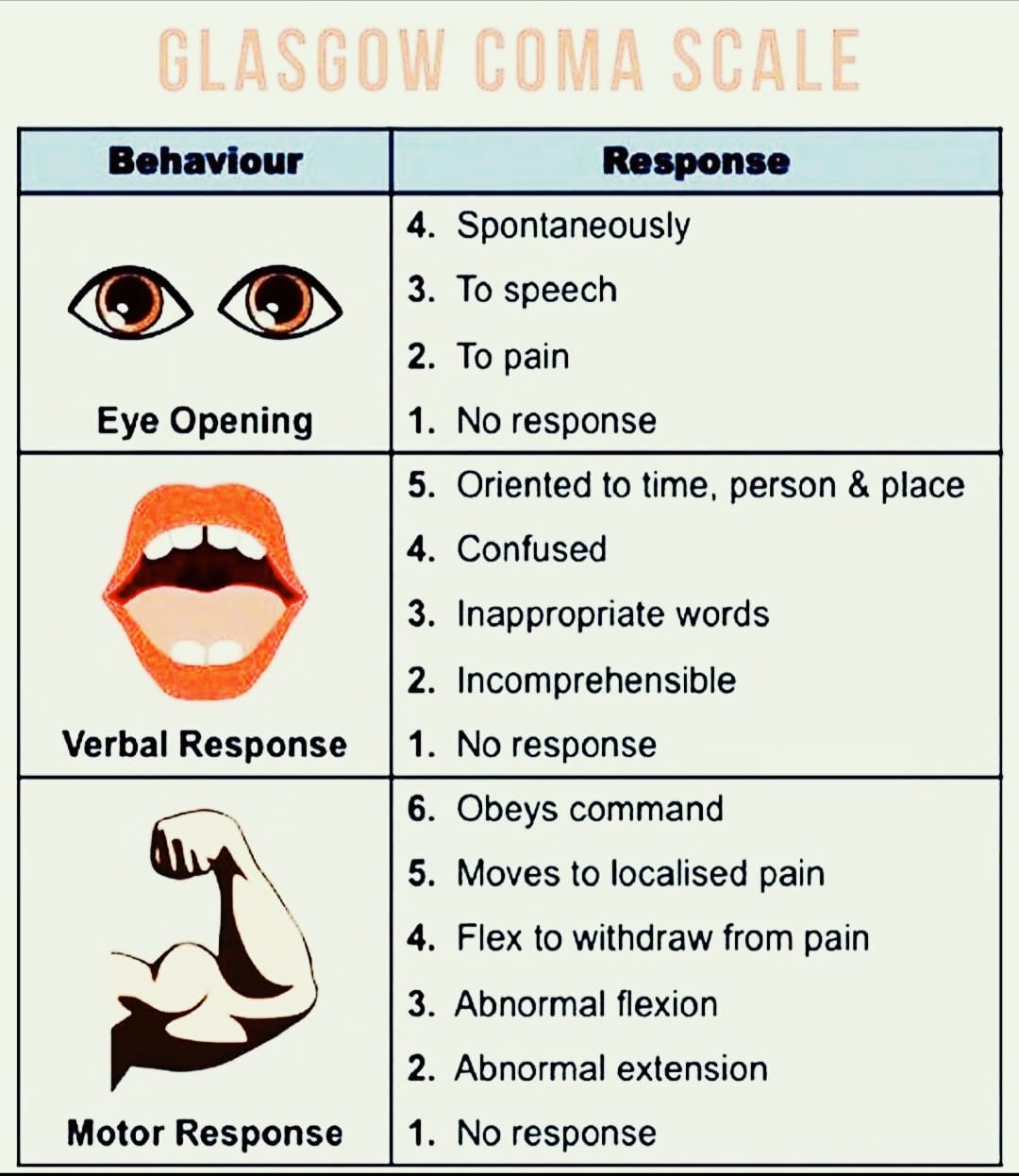
The Glasgow Coma Scale


The Glasgow Coma Scale (GCS) was developed by Graham Teasdale and Bryan Jennett, neurosurgeons at the University of Glasgow, Scotland, in 1974. They designed the scale as a standardized method to assess and communicate the level of consciousness in patients with traumatic brain injuries (TBIs).

Teasdale and Jennett recognized the need for a simple and reliable tool that could be used by healthcare professionals across different settings to evaluate a patient's neurological status. They aimed to create a system that could provide a common language for describing levels of consciousness and facilitate communication among healthcare providers.

The GCS was based on observations and analysis of patients admitted to the neurosurgical unit at the Southern General Hospital in Glasgow. Teasdale and Jennett identified three key components of neurological function—eye-opening response, verbal response, and motor response—and assigned scores to each category based on the observed range of responses.

Their work resulted in the development of the GCS, which quickly gained acceptance and became widely used not only in the field of neurosurgery but also in emergency medicine, intensive care, and other healthcare specialties worldwide. The GCS has undergone revisions and refinements over the years to enhance its clinical utility, but the fundamental principles and scoring system established by Teasdale and Jennett remain the foundation of the scale.

ooo

EMS providers should have a good understanding of the Glasgow Coma Scale (GCS) as it is a vital tool for assessing a patient's level of consciousness. Here are a few key points about the GCS:

1. The GCS assesses three aspects of neurological function: eye-opening response, verbal response, and motor response. Each of these aspects is assigned a score ranging from 1 to 4 or 5, depending on the specific category.

2. The scores from each category are added together to give a total GCS score, which can range from 3 (indicating deep unconsciousness) to 15 (indicating full consciousness).

3. The GCS is commonly used to assess patients with TBIs or altered mental status. It provides a standardized and objective way to assess the severity of neurological impairment and monitor changes over time.

4. EMS providers should be familiar with the criteria for assigning scores in each category. For example, eye-opening response ranges from spontaneous (4) to no response (1), verbal response ranges from oriented conversation (5) to no verbal response (1), and motor response ranges from following commands (6) to no motor response (1).

5. The GCS score can help guide treatment decisions, determine the need for immediate intervention, and provide a baseline for assessing the patient's progress. Lower GCS scores generally indicate more severe neurological injury or impairment.

Remember, the GCS is just one tool among many that EMS providers utilize to assess and manage patients. It's important to consider other factors and clinical findings in conjunction with the GCS score to make informed decisions about patient care.

#EMS #GlasgowComaScale #PreHospitalCare #TraumaAssessment

Sunday, October 01, 2023

Mental Health & EMS

Mental health issues among Emergency Medical Service (EMS) providers have become a pressing concern in recent years. These dedicated professionals face unique challenges and stressors in their line of work, which can have a significant impact on their mental well-being. Some current issues and concerns related to mental health among EMS providers include:

High Stress Levels: EMS providers often encounter high-stress situations, including traumatic accidents, life-threatening emergencies, and mass casualty incidents. Exposure to these stressors can lead to acute and chronic stress, contributing to mental health issues.

Work-Related Trauma: EMS professionals are exposed to traumatic events and suffer from compassion fatigue, which can lead to symptoms of post-traumatic stress disorder (PTSD). Witnessing distressing scenes and losing patients can have a cumulative psychological toll.

Long and Irregular Shifts: EMS providers often work long hours with irregular schedules, including night shifts and weekends. These demanding work hours can disrupt sleep patterns and contribute to fatigue, which may exacerbate mental health issues.

Lack of Mental Health Support: Many EMS agencies have been slow to recognize and address mental health issues among their staff. There may be a lack of access to mental health resources, and stigma surrounding mental health can discourage providers from seeking help.

Substance Abuse: Some EMS providers turn to substance abuse as a coping mechanism for the stress and trauma they face. Substance abuse can further compound mental health issues and lead to addiction.

Burnout: EMS providers are at risk of experiencing burnout due to the emotional and physical demands of their job. Burnout can manifest as feelings of exhaustion, depersonalization, and reduced job satisfaction.

Suicide Rates: There is growing concern about elevated suicide rates among EMS professionals. The stressors, trauma exposure, and lack of mental health support can contribute to feelings of hopelessness and despair.

Impact on Personal Life: The emotional toll of the job can extend to EMS providers' personal lives, affecting their relationships, family dynamics, and overall well-being.

Addressing mental health issues among EMS providers requires a multi-faceted approach. It involves improving access to mental health resources, reducing stigma, offering peer support programs, and implementing regular mental health check-ins. EMS agencies, healthcare organizations, and policymakers need to prioritize the mental well-being of these essential frontline workers to ensure their long-term mental health and resilience.

#EMS #MentalHealth #PreHospitalCare #WhoCaresForTheCarers #SubstanceAbuse